Why You Might Sweat More than Normal & How to Reduce Excessive Sweating

Everyone sweats. Still, you probably don’t want beads of perspiration dripping down your forehead when you’re on a romantic date, or arrive at the office after a hurried morning commute to find armpit sweat stains on your dress shirt. And, if you have found yourself in these situations before, you might wonder why you seem to sweat so much.
Whether you’re under the heat of the beating sun at the beach or someone who frequently participates in high-intensity workouts, sweating is a natural part of life. However, you might wonder whether you sweat excessively—particularly if it doesn’t take much for the sweating to begin.
We’re going to discuss some of the physiological reasons why people tend to sweat and why some sweat more than others. We’ll also discuss how your diet may play a role. Plus, we’ll offer some options for those looking for antiperspirant deodorants that may help reduce the level of sweating so you can feel more comfortable in your own skin.
Why Do We Sweat?
We sweat when our body needs to help regulate temperatures from any number of internal or external stimulants—these may include physical activity, heat, or stress. Different types of sweat glands cover our bodies and provide necessary cooling in response to various environmental factors.
Is Sweating Good for You?
Yes, sweating is a naturally healthy process. Aside from the cooling mechanisms, sweat can also help increase circulation and blood flow, which may in turn help to build healthy proteins and can have a positive effect on your skin, as well. Additionally, the saltiness in your sweat can help balance the water inside and outside of your cells to keep your body hydrated.
Sweating has other physiological benefits. Sweat has a natural antibiotic called dermcidin, which can help act as a barrier against foreign bodies and pathogens that might make you sick. Recently, researchers found that sweat even contains a protein that can help protect against Lyme disease.
Sweatiness shouldn’t be something you’re overly concerned about, given how beneficial sweat is for your body’s regulatory processes. That said, you still might be curious about why you seem to have droplets forming as soon as you step outside or if your sweatiness also comes with body odor, like smelly armpits.
Why Do I Sweat So Easily?

Sweating easily could simply be an indication that your body responds quickly to things like heat or exercise. Hormonal fluctuation might also increase sweatiness—so teens and people in the midst of the menstrual cycle may sweat more easily or more than usual.
There are other considerations as to why you might be sweating easily. For instance, men tend to sweat more readily and more frequently than women. Additionally, people who exercise often or at higher intensities may sweat a lot because their bodies have developed a faster response to help regulate their temperatures. Essentially, the body becomes more efficient in how it cools and uses sweat as the vehicle for cooling.
Working up a quick sweat as a response to physical activity or heat is probably nothing more than a signal your body is working to cool you down. But if you feel you sweat excessively often for no apparent reason, there’s a possibility you have a condition called hyperhidrosis.
What is Hyperhidrosis?
Hyperhidrosis is a condition that causes excessive sweating or more than your body needs to regulate temperature mostly due to overactive eccrine sweat glands. Examples of this may include sweating when you’re at rest or sweating in cold temperatures.
Primary focal hyperhidrosis impacts your face, armpits, hands, and feet. It usually starts before the age of 25. Secondary generalized hyperhidrosis is excessive sweating caused by an underlying medical condition or a side effect to a medication you’re taking. In some cases, this may explain why you sweat when you sleep.
Reach out to a medical professional if you believe you have hyperhidrosis or experience excessive sweating. You should also know that around 3 percent of adults in the United States between the ages of 20 and 60 have been diagnosed with hyperhidrosis, so it’s not uncommon.
How Do I Know if I Have Hyperhidrosis?
Aside from dampness and beads of sweat forming on your cheeks and forehead, symptoms of hyperhidrosis may also include:
- Itching and inflammation
- Body odor
- Cracked or peeling skin on the feet
People with hyperhidrosis might also tend to have sweatier palms than those without hyperhidrosis. Again, consult a medical professional if you’re concerned you’re dealing with excessive sweating.
How to Stop Sweating So Much

Tired of constantly pouring with sweat? Wondering what you can do to help reduce your sweatiness? Try heeding some of these tips:
Choose an Antiperspirant Deodorant That Can Limit Excessive Sweating
Our armpits in particular are very prone to sweating. But you cannot expect your basic deodorant to reduce underarm wetness or fight against sweat. After all, that’s not what deodorant is for—deodorant merely serves to mask odors. Instead, you need to look for an antiperspirant.
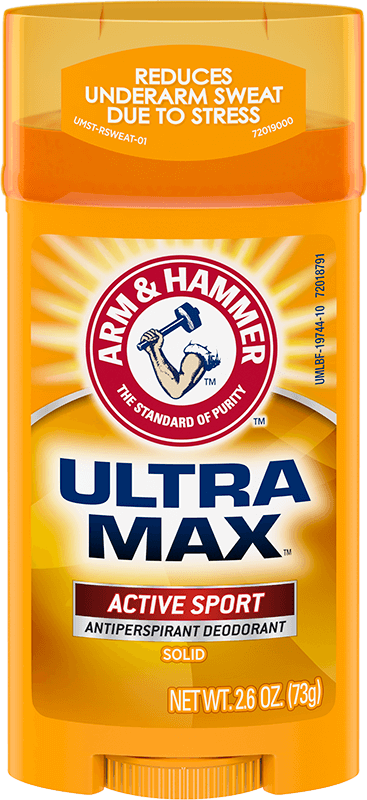
Unlike deodorants, antiperspirants do work to help reduce sweating by using aluminum salts that absorb into the skin and block the pores. You can also find a combination of antiperspirant and deodorant, like ARM & HAMMER™ ULTRAMAX™ Antiperspirant Deodorant! These antiperspirant deodorants feature ingredients to help fight both sweatiness and body odor, helping to decrease underarm perspiration and reduce the chance of armpit sweat stains.
ARM & HAMMER™ ULTRAMAX™ Antiperspirant Deodorant formulas also come in different scents. For example, ARM & HAMMER™ ULTRAMAX™ Active Sport offers a clean, aromatic fragrance while also helping to reduce underarm sweat. There is also an Unscented Antiperspirant Deodorant, which might be the ideal option for you if you have sensitive underarms or sensitivity to overwhelming fragrances.
No matter what you choose, find an antiperspirant deodorant that can effectively help to reduce sweating! And make sure you are applying deodorant when your skin is dry. It’s a good idea to apply antiperspirant deodorant at night because it allows the aluminum more time to help block the pores before we start sweating. Antiperspirant deodorants won’t work as well when you’re already sweating, though you may still be able to mask odors.
Change Up Your Diet
Have you heard the term “meat sweats” before? While the science cannot necessarily confirm or deny eating lots of meats and high-protein foods will result in sweatiness, it is true that certain foods and beverages enhance your propensity and likelihood of sweating.
It can prove difficult to eliminate certain foods and drinks from the diet. But, if you’re wondering why you sweat so much and are wondering whether your diet is playing a role you might at least consider cutting back on some of the following:
- Spicy foods can trick your body into thinking the internal temperature has been raised and thus you need the sweating mechanism to help cool you down.
- Salty foods might prompt sweating if you have items with tons of sodium. Remember, sweating helps balance the salt and water content inside and outside of the body, so you may be more likely to perspire after eating a ton of salty foods so your body can try to reestablish that balance.
- Hot foods with acidic ingredients like vinegar may cause sweating. Additionally, high-sugar meals may lead to an overproduction of insulin, which can impact blood sugar levels and lead to sweating.
- Coffee, tea, and caffeinated beverages can up your heart rate and raise blood pressure. If you’re an avid coffee drinker, just know you may be more likely to sweat, or perhaps try limiting yourself to 1 cup of Joe!
- Alcohol also increases your heart rate and blood pressure. The increased blood flow may cause flushed skin that signals your body that you are warmer than you actually are, resulting in sweating.
- Nicotine and tobacco usage may also cause you to sweat, as both have effects on the nerves responsible for activating the sweat glands.
Are you someone who tends to sweat after eating or drinking? See if you might change up your diet and swap out the foods that can make you sweat for some foods and drinks that help reduce sweating—these include water, fruits, vegetables, and foods rich in calcium and/or B Vitamins.
Wear Breathable Clothing
Tight-fitting clothes may leave you vulnerable to sweatiness, particularly in warm or humid environments. For that reason, you may consider breathable, moisture-wicking fabrics. Some athletic clothing brands may offer fast-drying layers. You might also see whether you can find sweat-absorbent dress shirts so you’re not drenched in sweat at the office or during your slew of summer weddings.
Stay Cool
If possible, try to spend time in well-ventilated spaces. For example, if you’ve spent a lot of time outside on a hot summer day, seek out an air-conditioned environment to help cool yourself down and put a stop to the sweating. You should also regularly bathe or shower and take longer showers with cold or lukewarm water—the water vapors from warm water may raise your body temperature and make you sweat more.
Can Dehydration Cause Excessive Sweating?
Contrary to popular belief, dehydration does not cause excessive sweating. In fact, you sweat less when you are dehydrated.
Your skin tends to dry out when you are dehydrated. Part of this stems from the fact that you don’t have enough water inside your body to sweat any out as part of creating that water-salt balance inside your cells. That’s why drinking a lot of water and staying hydrated is an important part of maintaining a regular body temperature. Because, remember, sweating is healthy!
Don’t Sweat It! Use ARM & HAMMER™ Antiperspirant Deodorants
Although you may feel a sense of unease or question why you’re sweaty, understand that—in most cases—it’s probably a sign that you are healthy and your body is functioning properly! And if you’re still adamant about trying to reduce or limit your sweatiness, try ARM & HAMMER™ ULTRAMAX™ Antiperspirant Deodorants!