Can Deodorant & Antiperspirant Stain Clothes?
Both deodorants and antiperspirants can stain clothes, though it’s not the deodorant or antiperspirant that causes the stain. These stains happen when the ingredients in deodorants or antiperspirants mix with sweat or body oils, and the residue can build up on fabrics over time.
Some antiperspirant or deodorant stains come from ingredients like aluminum salts, which leave behind marks on clothes when you sweat through the aluminum salts. However, aluminum-free deodorants and antiperspirants can also stain clothes depending on certain factors, which we will discuss shortly.
What Do Deodorant Stains Look Like?
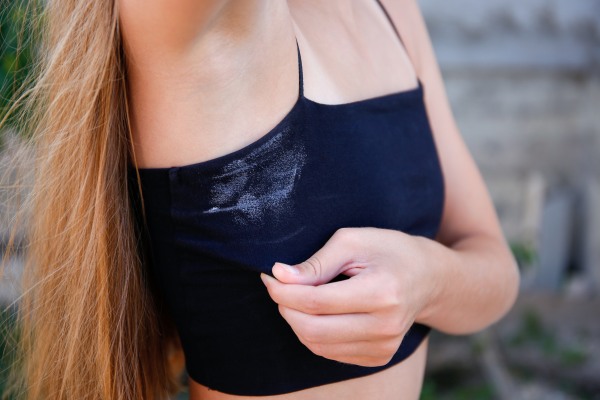
Deodorant stains often appear as white marks on the underarm area of your clothes, which are especially noticeable on black or dark-colored fabrics.
You might occasionally see yellow stains on your lighter garments. Those are better classified as sweat stains, not deodorant stains. However, sweat stains can have that yellow pigment because of the reaction between the sweat, deodorant ingredients, and the fabric.
What Causes Deodorant & Antiperspirant Stains?
We touched on how the ingredients in deodorants and antiperspirants can leave solid stains on clothes when you sweat through the ingredients. But the following can also contribute to deodorant and antiperspirant stains:
- Overuse: You might think you want to apply more deodorant or antiperspirant to help reduce armpit odors or reduce underarm sweat. But putting on too much deodorant or antiperspirant can lead to stains because you’re essentially offering the ingredients more of an opportunity to mix with sweat and leave stains on fabrics.
- Not allowing time to dry: Immediately putting on clothes after applying deodorant or antiperspirant may result in the product rubbing off and creating crusty stains or a buildup of residue on the fabric.
In essence, you want to be vigilant about how much deodorant or antiperspirant you use. You might also reevaluate when you apply your deodorant or antiperspirant.
How Many Swipes of Deodorant or Antiperspirant Should You Use?
If you’re using a solid stick of deodorant or antiperspirant (or rolls or gels), applying 2-3 long strokes to the underarm area should give you a thin layer of sufficient coverage for the day. For spray deodorants and antiperspirants, shake the can before and hold several inches from the armpits before spraying for 2-3 seconds. Follow the labled directions for specific products.
Deodorant Stains vs. Detergent Stains
You might know that, like deodorant, excessive detergent usage can also stain your clothes. It may be confusing to differentiate detergent stains from deodorant stains since they are both usually white.
However, deodorant stains will appear chalkier and be found around the underarm areas or sides of shirts. Conversely, detergent stains are usually more muted and appear streaky. Detergents might also have more of a blueish hue to them and can appear just about anywhere on your garments.
How to Prevent Deodorant & Antipersirant Stains
We talked about a couple of causes for deodorant stains related to user error. You want to avoid those and take precautions about usage to help prevent deodorant stains:
- Use sparingly: Remember, you don’t need more than 2-3 swipes, rolls, or sprays of deodorant or antiperspirant in each armpit. Stick to that number.
- Wait to put on clothes: Give your deodorant or antiperspirant time to dry before putting on your clothes. Maybe this means you start your morning or post-shower routine by applying deodorant or antiperspirant so that it has time to dry as you work your way through brushing your teeth or completing your skincare routine.
- Consider applying at night: It’s generally advised that you put on an antiperspirant at night when the skin is dry to help reduce sweat. But you might take the same approach with antiperspirant + deodorant combos and possibly standalone deodorant if it has long-lasting odor control.
- Avoid fabric softener: While you want to use an enzymatic laundry detergent to help remove antiperspirant or deodorant stains, you should avoid using fabric softener because it can trap residue and essentially force it to cling to clothing fibers – making it harder to remove.
- Try an aluminum-free deodorant or antiperspirant: Although aluminum-free deodorants and antiperspirants might still cause stains (especially with user error), they are less likely to stain clothes than aluminum-based deodorants or antiperspirants.
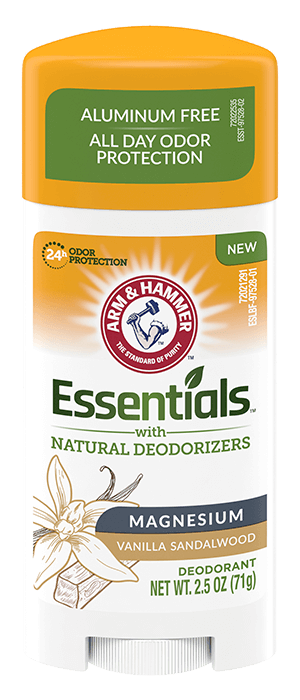
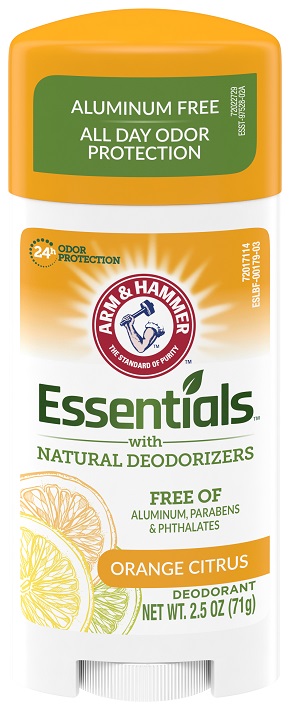
If you’ve never tried aluminum-free deodorant or are considering making a permanent switch, try ARM & HAMMER™ Essentials! Made with natural plant extracts and containing baking soda, these deodorants 24-hour odor protection without aluminum, parabens, colorants, or animal-derived ingredients. With a variety of fresh scents, it’s easy to find one you’ll love.
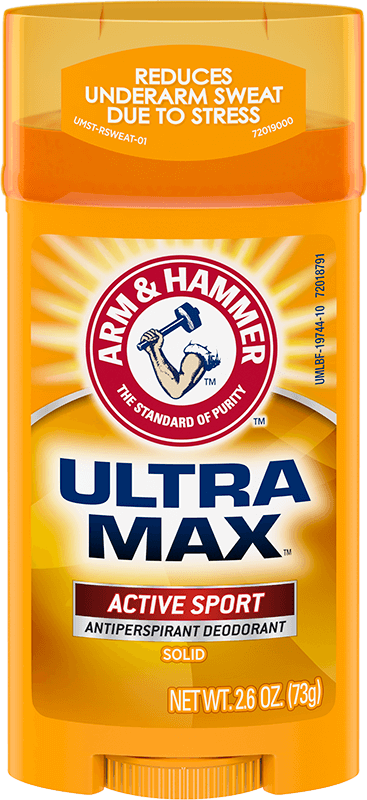
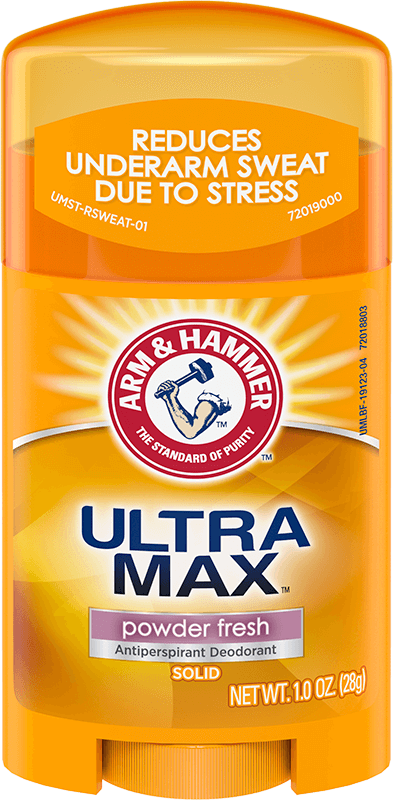
Looking for something stronger? The ARM & HAMMER™ ULTRAMAX™ line of antiperspirant-deodorants offers a fresh, clean scent and helps reduce underarm perspiration, including sweat from stress. It’s made to work as hard as you do.
Ultimately, you have to do what fits your schedule or routine best. Sometimes you have no choice but to throw clothes on immediately after applying deodorant or antiperspirant because you’re rushing to work. Maybe you’re a particularly sweaty individual who needs to reapply during the day. We’re all different and have different preferences – but following the steps above can help you prevent or limit the amount of detergent or antiperspirant stains on clothes.
How to Remove Deodorant & Antiperspirant Stains
Deodorant and antiperspirant stains can be stubborn, often clinging to fabric even after the first wash. This happens when ingredients from the product mix with sweat and body oils, allowing residue to sink deep into the fibers.
For best results, use an enzymatic laundry detergent when you’re trying to get rid of deodorant or antiperspirant stains on clothes. Enzymatic laundry detergents help break down and lift tough stains for a more complete clean. Try an enzymatic laundry detergent with powerful stain fighters, like those in the ARM & HAMMER™ Plus OxiClean™ laundry detergent line.
Don’t Let Deodorant & Antiperspirant Stains Do You Dirty!
Seeing fresh and white deodorant or antiperspirant stains on your black long-sleeve shirt probably isn’t the best feeling. But the reality is – these stains happen! What’s more important is that you do what you can to help prevent and remove deodorant and antiperspirant stains on clothes.
Whether it’s using ARM & HAMMER™ deodorants and antiperspirants, or utilizing ARM & HAMMER™ Baking Soda, ARM & HAMMER™ has the products you need to help keep deodorant stains at bay!