How to Wash a Down Jacket or Winter Coat
There’s no such thing as a universal winter coat. The fabric your coat is made of matters when it comes to how you wash it. Some wool pea coats are dry clean only, so your first step is to check the coat’s care label to see what it recommends. Most other coats can be machine washed, and many can also be tumble dried in your dryer – even many down jackets or “puffer” coats. Use these basic steps to wash your winter coat or jacket:
- READ the care label for guidance on water temperature, washing machine settings, and other specific instructions.
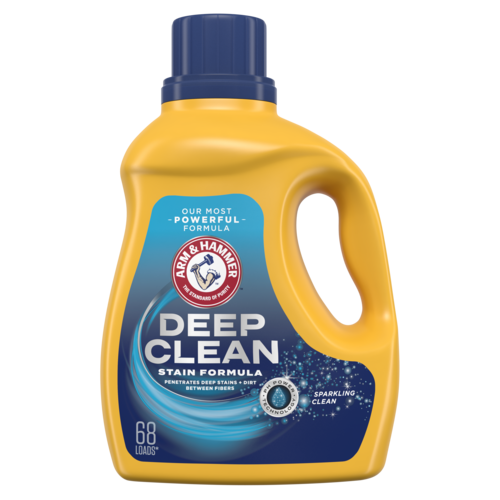
- CHECK for stains and pre-treat as needed. Wet fabric, apply ARM & HAMMER™ Deep Clean Stain Formula Liquid Laundry Detergent, rub gently, wait 5–10 minutes, then wash. Don’t forget to empty all pockets first.
- CLOSE all zippers and Velcro to prevent snagging. Tie any hood drawstrings and consider turning the coat inside out for added protection.
- ADD the recommended amount of detergent, such as ARM & HAMMER™ Deep Clean Odor Formula Liquid Laundry Detergent. If your coat is waterproof, do not add fabric softener or use a detergent containing fabric softener.
- CHOOSE the water temperature recommended on the coat’s care label. Use cold water if you’re concerned about pilling (like with a fleece).
- SELECT the appropriate washing machine cycle. Use “Bulky Items” if available, or “Normal” as a backup.
- REMOVE the coat from the washer and shake it out before transferring to the dryer.
- DRY according to the care label – either tumble dry or line dry. See below for detailed drying instructions.
How to Dry a Down Jacket
Drying a down jacket the right way is key to keeping it fluffy, warm, and long-lasting. Here's how to do it without ruining the down:
- READ the care label for drying instructions specific to your coat.
- PRESS (don’t wring!) out excess water after washing. Roll it in a towel to absorb more moisture.
- TOSS the jacket in the dryer on low or no heat. Add clean tennis balls or dryer balls to help break up clumps and restore fluff.
- WAIT and be patient - check every 30 minutes to shake and redistribute the down. Avoid high heat, which can damage the fabric.
- FLUFF the jacket once dry and puffed up, then hang it in a well-ventilated area to finish airing out.
How to Wash Winter Gloves
If you’ve been out on the slopes or building a snowman in the neighborhood, your water-resistant winter gloves could probably use a wash. The fabric your gloves are made of determines whether and how you can wash them. Leather, suede, and wool gloves are not meant for the washing machine, but you can typically spot clean stains on their surface. Here are some tips for getting washable winter gloves clean and ready to wear again:
- READ the care label inside your gloves for specific instructions. Avoid submerging leather or suede gloves in water or placing them in the washer.
- SPOT CLEAN (optional) with a small amount of mild detergent, like ARM & HAMMER™ Deep Clean Stain Formula Liquid Laundry Detergent, and a soft cloth. Rinse gently and air dry flat on a towel.
- PREP by clipping the gloves together or placing them in a mesh laundry bag. Wash with similar winter gear or like colors.
- ADD the recommended amount of a detergent, such as ARM & HAMMER™ Deep Clean Odor Formula Liquid Laundry Detergent. If your gloves are waterproof, do not add fabric softener or use a detergent containing fabric softener.
- CHOOSE cold water for the greatest fabric protection, especially if your gloves are fleece or Sherpa-lined.
- SELECT the appropriate washing machine cycle - “Normal” is generally suitable for most fabric gloves.
- DRY according to the care label. If tumble drying is allowed, use a low setting. Otherwise, lay flat to air dry on a towel or drying rack.
How to Wash Winter Hats and Beanies – Including Ones with Pompoms
Most winter hats are knit beanies (sometimes with pompoms) and may also be lined with fleece. If your hat is wool, cashmere, or a wool-silk blend, be sure to read the care label. It may need to be dry cleaned or surface spot-cleaned only. Wash most knit or fleece winter hats like you would a sweater: in cold water on the delicate cycle and air dry on a drying rack or towel. If your hat can be tumble-dried, use a low heat setting.
How to Wash Winter Scarves
If the wind outside is brisk and the temperatures are below freezing, you know the importance of a scarf to keeping you warm in winter. Scarves can get extra dirty since they are up around your face and neck. It’s common for scarves to get stained with food, makeup, or sweat. Of all the winter wear items, scarves need washing more often.
How you wash a scarf depends mostly on what it’s made of. If your scarf is silk, rayon, or a fabric blended with these, be sure to read the label to see if it can be submerged in water. The same goes for wool, cashmere, angora, or fabrics blended with these natural fibers. Knit scarves made of acrylic, cotton, polyester, or a blend of these are usually machine washable and can typically be put in the dryer. As always, read the label on your scarf to be sure. To wash your winter scarf, do the following:
- READ the scarf’s care label to look for water temperature and other guidance.
- PLACE the scarf in a mesh laundry bag to keep it from getting tangled up with other items in the load. This is especially important if your scarf has fringe.
- PRE-TREAT any stains. We recommend applying ARM & HAMMER™ Deep Clean Stain Formula Liquid Laundry Detergent to the spot before washing.
- WASH using the water temperature and cycle settings indicated on the label.
- DRY in the mesh bag if using the dryer. Otherwise, lie flat on a towel or dry rack.
How to Wash Winter Ski & Snow Pants
Washing ski pants is easy, as long as you don’t treat them like regular laundry. The process is similar to how you would wash a jacket. Here’s how to keep your ski and snow pants waterproof, insulated, and ready for your next snow day:
- READ the care label on your pants for instructions on water temperature, washing machine settings, and fabric care.
- CHECK for stains and pretreat if needed. Don’t forget to empty all pockets before washing.
- PREP by closing all zippers and Velcro to prevent snags. Turn the ski pants inside out to protect the outer waterproof layer.
- ADD the recommended amount of a detergent, such as ARM & HAMMER™ Deep Clean Odor Formula Liquid Laundry Detergent to the machine. Avoid bleach, fabric softener, or detergents that contain softeners.
- WASH using cold or warm water (never hot) and select a delicate cycle to preserve the fabric and insulation.
- DRY by hanging in a warm, ventilated area or tumble drying on low heat, if the care label allows. Toss in a few dryer balls to help fluff the insulation.
How Often Should You Wash Your Winter Clothes?
How often you should wash your winter clothes depends on the type of clothing and how often you wear it. Here are a few pointers on specific items:
| Type of Clothing | How Often to Wash | Cleaning Tips |
|---|---|---|
| Coats & Jackets | Every 1–2 months (or 5–7 wears for down and wool), and spot clean as needed | Dry clean wool or structured coats once per season |
| Sweaters | Every 2–5 wears, unless worn directly on skin (then every 1–2 wears) | Wash more often if you’re sweating or wearing it indoors frequently |
| Thermal Layers & Long Johns | Every 1–2 wears, especially if worn as base layers | |
| Hats, Scarves & Gloves | Every 1–2 weeks, since they’re often exposed to skin and hair oils | Wash more often if you’re wearing them daily or sweating in them |
| Wool Socks | After every wear, like regular socks | |
| Winter Boots | Clean monthly or as needed | Use a damp cloth or specialty cleaner depending on the material |
BONUS TIP: Air your winter clothes between wears to reduce odor and bacteria buildup, especially sweaters and outerwear. That’ll help extend the time between washes and keep fabrics in better shape.
Tips for Storing Winter Gear after the Season
Always wash your winter weather wear at the end of the season before putting it away until next year. You want to put the stains and odors of this year behind you and the longer they stay in the garments, the more set-in they can become. If you’re vacuum-packing winter gear for added space, make sure they are completely dry before sealing to prevent mold or mildew. Only vacuum-seal clean items.
Is It Okay to Store Winter Clothes in Cardboard or Plastic Boxes?
Yes, you can store them this way, but each option has its pros and cons. Cardboard boxes are a better option for short-term storage, as they are less durable than plastic and can attract pests, moisture, and odor. Plastic bins are moisture resistant and stackable, and can protect your items from moths, mice or bugs.
If you move your winter gear into a blanket chest or spare closet after the weather starts to warm, try adding an open box of ARM & HAMMER™ baking soda to the closet or chest to absorb moisture and lingering odors.
Get All Your Winter Wear Clean & Fresh with ARM & HAMMER™

When you need to wash a winter beanie, scarf, gloves, ski pants, jacket or coats, reach for a detergent you trust to get your items clean. Try one of these ARM & HAMMER™ laundry detergents that don’t contain fabric softeners that could compromise waterproof fabric.
- Arm & Hammer™ Sensitive Skin Free & Clear Liquid Laundry Detergent: Gentle on skin yet tough on stains, this hypoallergenic detergent keeps every load fresh and clean.
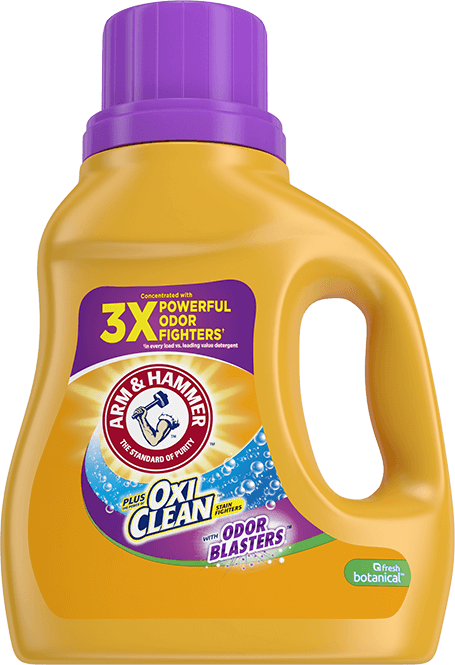
- Arm & Hammer™ Plus OxiClean™ with Odor Blasters: 3X odor-fighting power that blasts stains and leaves laundry fresh, wash after wash.
- Arm & Hammer™ Deep Clean Stain Formula Liquid Laundry Detergent: Deep-cleans stains and odors with micro-scrubbers, leaving clothes fresh, sparkling, and ready for any mess.