Why Do My Teeth Hurt?

Tooth pain can range from mild sensitivity to severe discomfort that can interfere with eating, drinking, and daily life activities. There are many possible causes of tooth pain, ranging from minor tooth sensitivity to serious dental emergencies. Identifying the root cause and addressing it early can help prevent symptoms from worsening and protect your overall oral health.
Why Do My Teeth Hurt Suddenly?
Sudden tooth pain can be caused by several dental issues, including tooth sensitivity, cavities, cracked teeth, gum disease, dental infections, or a loose filling or crown. In some cases, teeth grinding, impacted wisdom teeth, or even sinus pressure can trigger unexpected tooth pain. If the pain is severe, persistent, or accompanied by swelling or fever, it's important to see a dentist promptly.
Most Common Causes of Tooth Pain
Understanding the most common causes of tooth pain can help you identify and treat the source to eliminate any further pain. Seek professional help from a dentist to evaluate the cause behind your tooth pain. In most cases, the causes include the following:
- Tooth decay (Cavities)
- Teeth grinding
- Gum recession
- Cracked or fractured teeth
- Acidic or sugary foods
- Tooth sensitivity
- Gum disease
- Sinus pressure or infection
Is Tooth Sensitivity Causing Your Tooth Pain?
Tooth sensitivity occurs when the protective enamel on your teeth wears down or your gums recede, exposing the underlying dentin. Because dentin contains tiny channels that lead directly to the nerves inside the tooth, everyday triggers like hot, cold, sweet, acidic, or even chill air can cause sudden discomfort or pain.
Why Do My Teeth Hurt When I Have Sweets?
Tooth pain from sweets can occur when sugar reaches the dentin, the sensitive inner layer beneath the enamel, and stimulates the nerves inside the tooth. Sensitivity or tooth pain from eating sugar can stem from a few different causes. The most common culprit is a cavity. Cavities occur when excess mouth bacteria feed on sugar and produce acids that erode the tooth enamel, exposing the dentin to external factors.
Why Do My Teeth Hurt When I Bite Down?
Tooth pain when biting down is often caused by a cracked tooth or a deep cavity. A crack or area of decay can expose the sensitive nerves inside the tooth, triggering sharp or shooting pain when pressure is applied while chewing or biting.
Why Do My Teeth Hurt When I Wake Up?
If your teeth hurt first thing in the morning, nighttime teeth grinding, also known as bruxism, may be the cause. Bruxism is often linked to a combination of physical, psychological, and lifestyle factors, including stress, sleep issues, and jaw misalignment. Wearing a mouth guard while you sleep may help protect your teeth and reduce grinding-related pain and damage.
Why Do My Teeth Hurt When I’m Sick?
When you're sick, tooth pain is often caused by sinus pressure rather than a dental issue. The sinuses sit directly above the roots of your upper back teeth. When your sinuses become inflamed or congested from a cold, allergies, or sinus infection, the pressure can radiate into your teeth. This often causes aching, tenderness, or a painful feeling when chewing.
Reasons why your teeth may hurt when you're sick include:
- Sinus infections that create pressure around the upper teeth and jaw
- Mouth breathing from congestion, which can lead to dry mouth and increased tooth sensitivity
- Bruxism or teeth grinding while sleeping, which may worsen when you're stressed, uncomfortable, or sleeping poorly due to illness
- Existing dental issues, such as cavities, cracked teeth, or gum disease, that become more evident when your body is under stress
If the tooth pain improves as your congestion and illness abate, sinus pressure is likely the cause. However, if the pain is severe, accompanied by swelling, or continues after you've recovered, you should schedule a visit with a dentist to resolve a potential dental problem.
Why Do My Teeth Hurt When I Floss?
If you feel pain during or after flossing, it could be a sign of a cavity, gum inflammation, gum disease, or food trapped between your teeth. In some cases, brushing or flossing too aggressively or flossing with sensitive teeth and gums can also cause pain.
Treatment for Tooth Pain
Treatment for tooth pain depends on the underlying cause, the severity of the issue, and your level of discomfort. While it's important to address the root cause with your dentist, there are several steps you can take to help manage pain and discomfort in the meantime.
Tooth Pain Relief: How to Ease Tooth Pain at Home
For mild to moderate pain, you can try the following to manage at home.
- Rinse with warm salt water to help reduce irritation and cleanse the mouth area.
- Take an over-the-counter pain reliever, such as ibuprofen or acetaminophen as directed.
- Apply a cold compress to the outside of your cheek for 15 – 20 minutes at a time to help reduce pain and swelling.
- Keep your mouth clean by brushing and flossing to remove trapped food particles and plaque.
- Avoid trigger foods and drinks such as very hot, cold, sweet, or acidic items if they worsen sensitivity.
- Use a toothpaste for sensitive teeth like Arm & Hammer™ Sensitive Toothpaste to help reduce discomfort caused by exposed dentin or enamel wear.
- Elevate your head while resting to help reduce pressure and throbbing, especially if your pain is worse at night.
- Stay hydrated to support saliva production and help prevent dry mouth, which can worsen sensitivity.
If you notice more severe symptoms such as gum swelling, fever, pus, facial swelling, or a suspected tooth abscess, don’t delay seeking professional treatment. Many dentists offer last-minute emergency appointments to evaluate your condition promptly.
What to Avoid with Tooth Pain
If you're experiencing tooth pain, avoiding certain foods and habits may help prevent further irritation and worsening discomfort:
- Extremely hot or cold foods and beverages
- Hard, crunchy, or sticky foods
- Sugary or acidic foods and drinks
- Chewing on the affected side of your mouth
- Grinding or clenching your teeth
- Chewing gum or using tobacco products
Limiting these triggers can help reduce discomfort while you determine the cause of your tooth pain and seek appropriate treatment.
When to Seek Medical Care
Persistent tooth pain that lasts longer than a few days should be professionally evaluated by your dentist. Seek urgent medical attention if you experience any of the following symptoms:
- Tooth pain that lasts more than one or two days
- Severe or worsening pain
- Swelling of the gums, face, or jaw
- Fever accompanying tooth pain
- Pain when biting or chewing
- Persistent sensitivity to hot or cold foods and drinks
- Red, swollen, or bleeding gums
- A cracked, chipped, or broken tooth
- Pus, drainage, or a foul taste in your mouth
- Difficulty opening your mouth, swallowing, or breathing
These symptoms may indicate an infection, abscess, advanced tooth decay, or another dental condition that should be evaluated by a dental professional as soon as possible.
Prevent Tooth Pain with Arm & Hammer™
The best way to manage tooth pain is to help prevent dental issues that can cause it in the first place. ARM & HAMMER™ oral care products are designed to support a healthy mouth by helping protect your teeth against cavities, strengthen enamel, and maintain healthy gums.
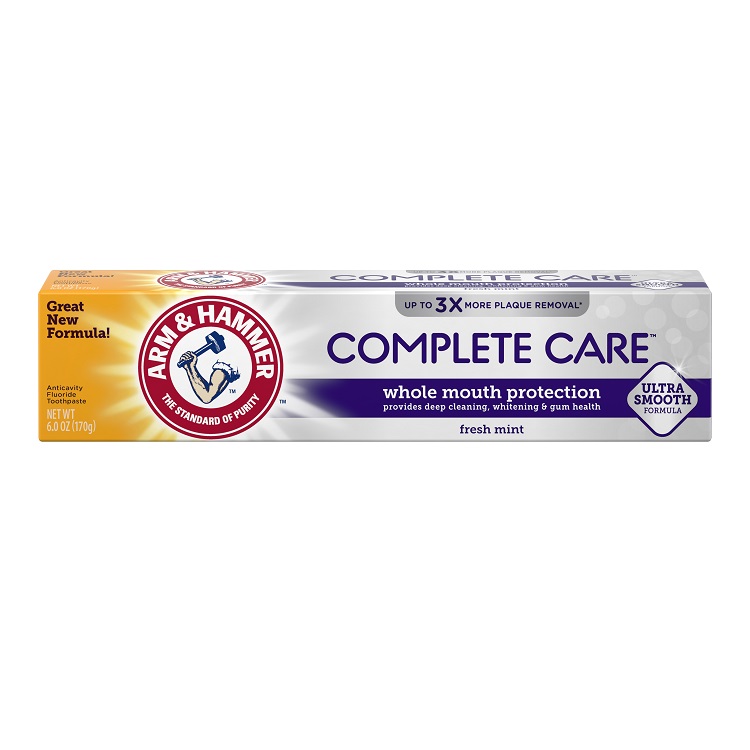
Try ARM & HAMMER™ Complete Care™ Whole Mouth Protection Toothpaste, which provides a deep clean throughout your mouth, in between teeth, and along the gum line. For those with weak enamel or prone to cavities, Arm & Hammer™ Enamel Defense Toothpaste combines fluoride, Arm & Hammer™ baking soda, and Liquid Calcium™ technology to protect your teeth against cavities and control tartar.